Measuring Length and Perimeter
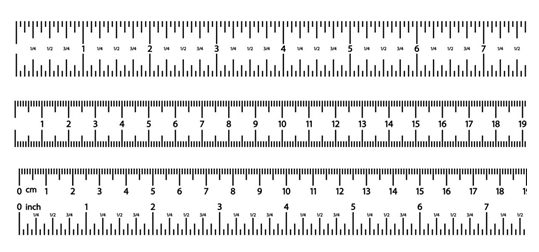
Length is a mathematical quantity. That is, it is a phenomenon that can be measured and be represented using numbers and a unit. Length represents the size of a line or distance.
Length is considered a 1D (one dimensional) quantity both in the context of geometry and algebra. In geometry, dimension refers to the coordinates of a space. The max dimensions you could have in geometry are 3 dimensions representing length, breadth (a kind of length), height/depth (another kind of length). Length is the simplest dimension and represents a spatial coordinate.
In algebra, dimensions refer to the independent variables by which a dependent variable can be determined. Essentially, it refers to how many variables may be measured directly or indirectly. For variables that can be measured directly like length, time, and mass, they are called one dimensional. But for variables that can only be measured indirectly after measuring its independent variables, they are termed multidimensional. Examples:
There are different tools used to measure length, based on the area of application. We, thus, have categorizes for plans and maps reading, body and cloth measurement (sewing and cobblery), packaging and structural works (e.g. carpentry, metal work, etc.), land and farm survey. All measuring equipment belong to HS-9017 with respect to shipping.
Plans and Maps Reading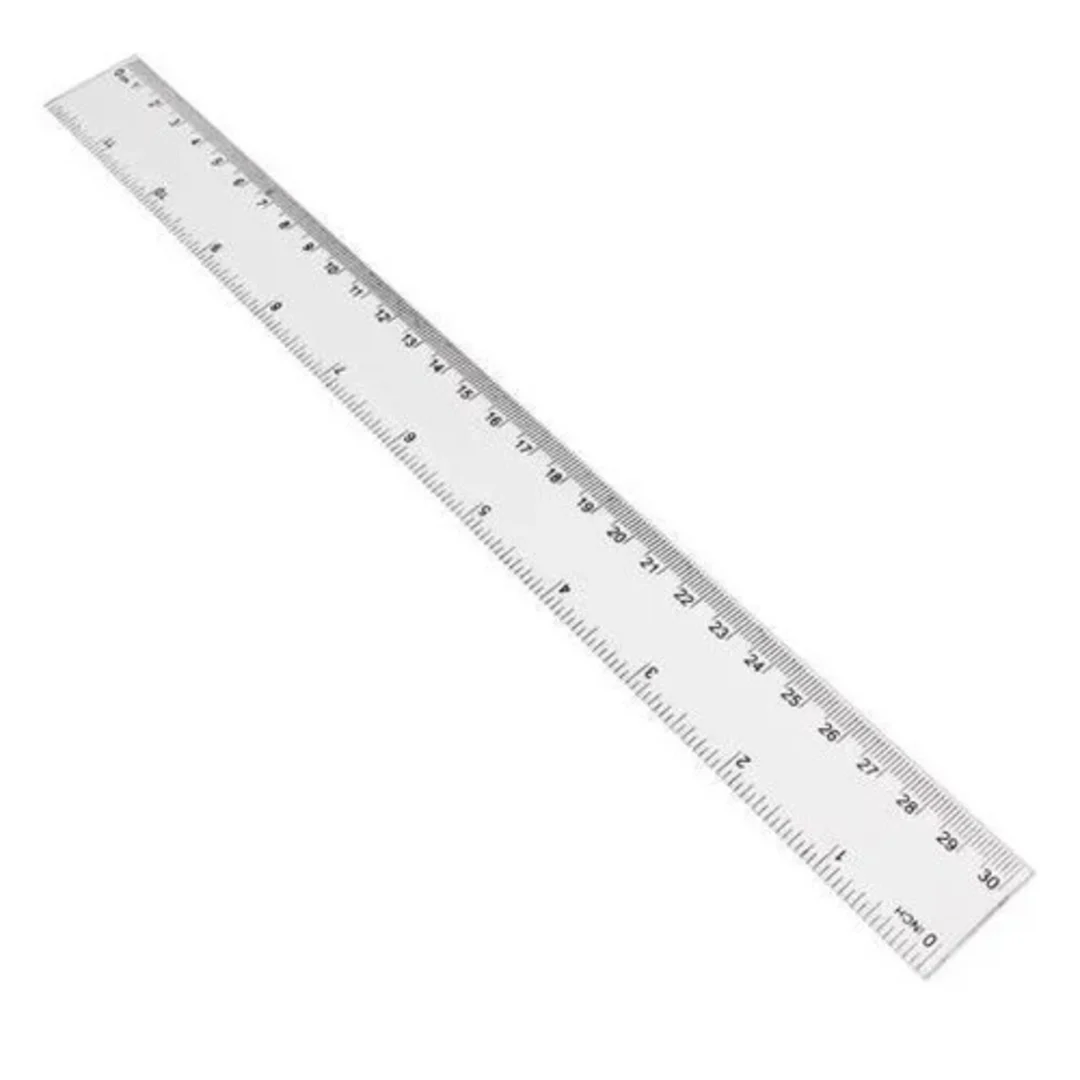
Originals Transparent Ruler X 12pieces
See the Product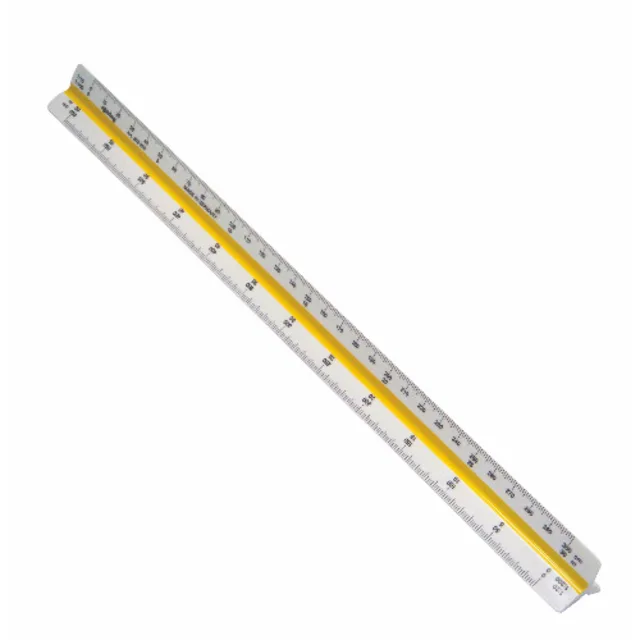
Scale Ruler
See the Product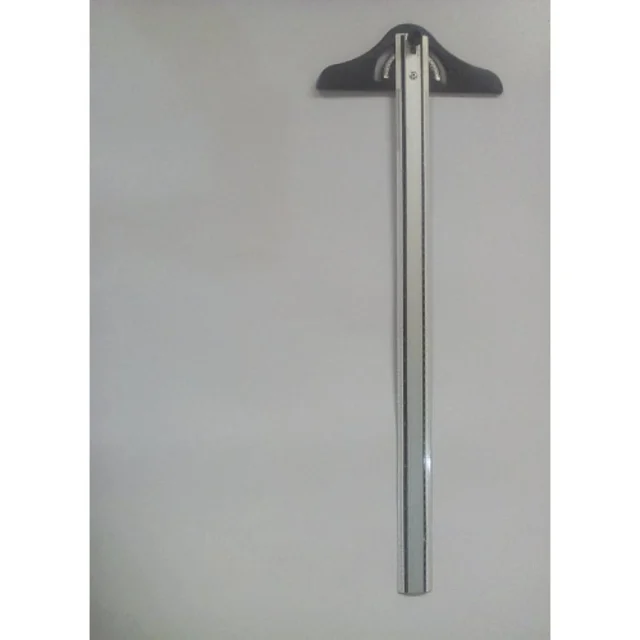
Metal T-Square
See the Product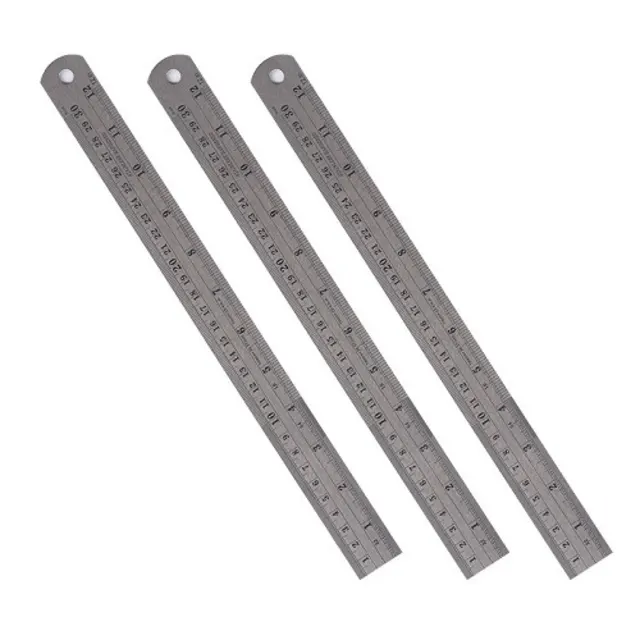
Stainless Steel Ruler 30cm long set of 3
See the Product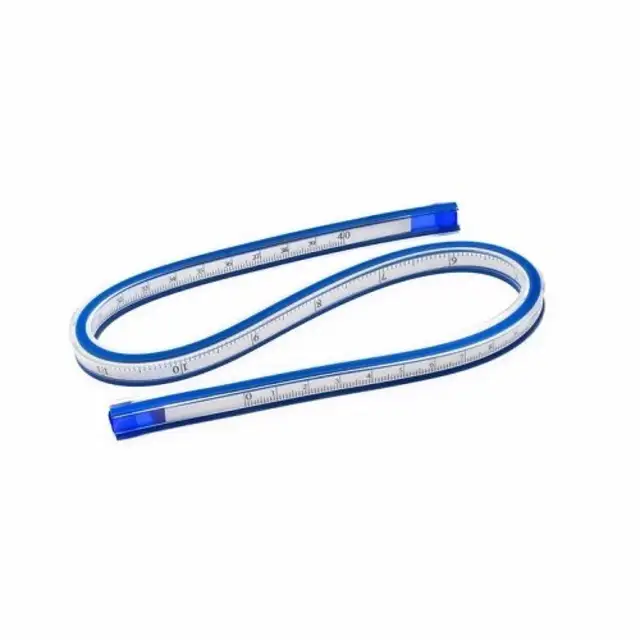
Flexible Curve Ruler
See the Product
Stainless Measure Metric Ruler 60cm
See the ProductBody and Cloth Measurement

Measuring Tape Rule 3pieces 60inches
See the Product
Accurate Automatic Retractable Body Measuring Tape
See the Product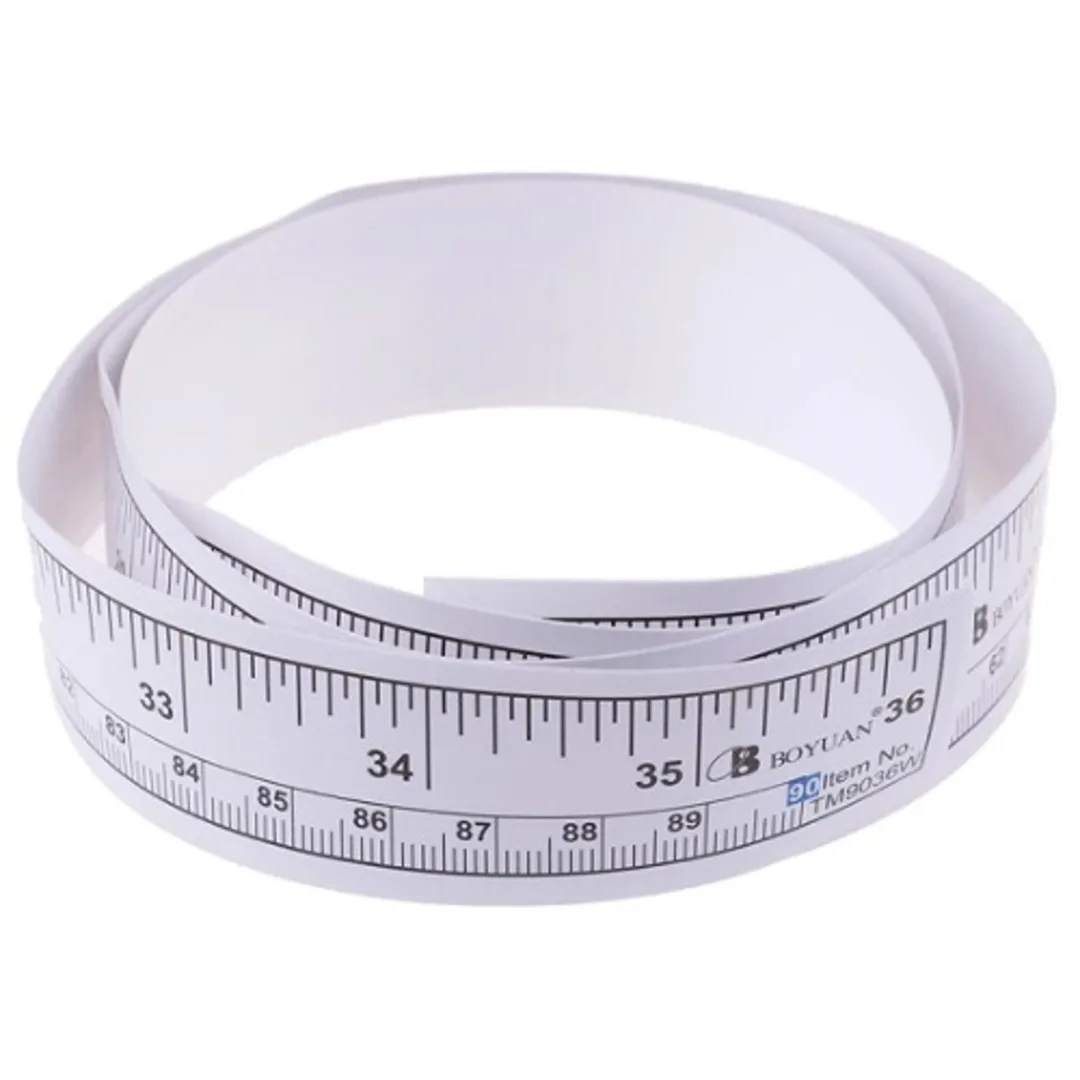
Stick on Tape Measure White 36-inches
See the Product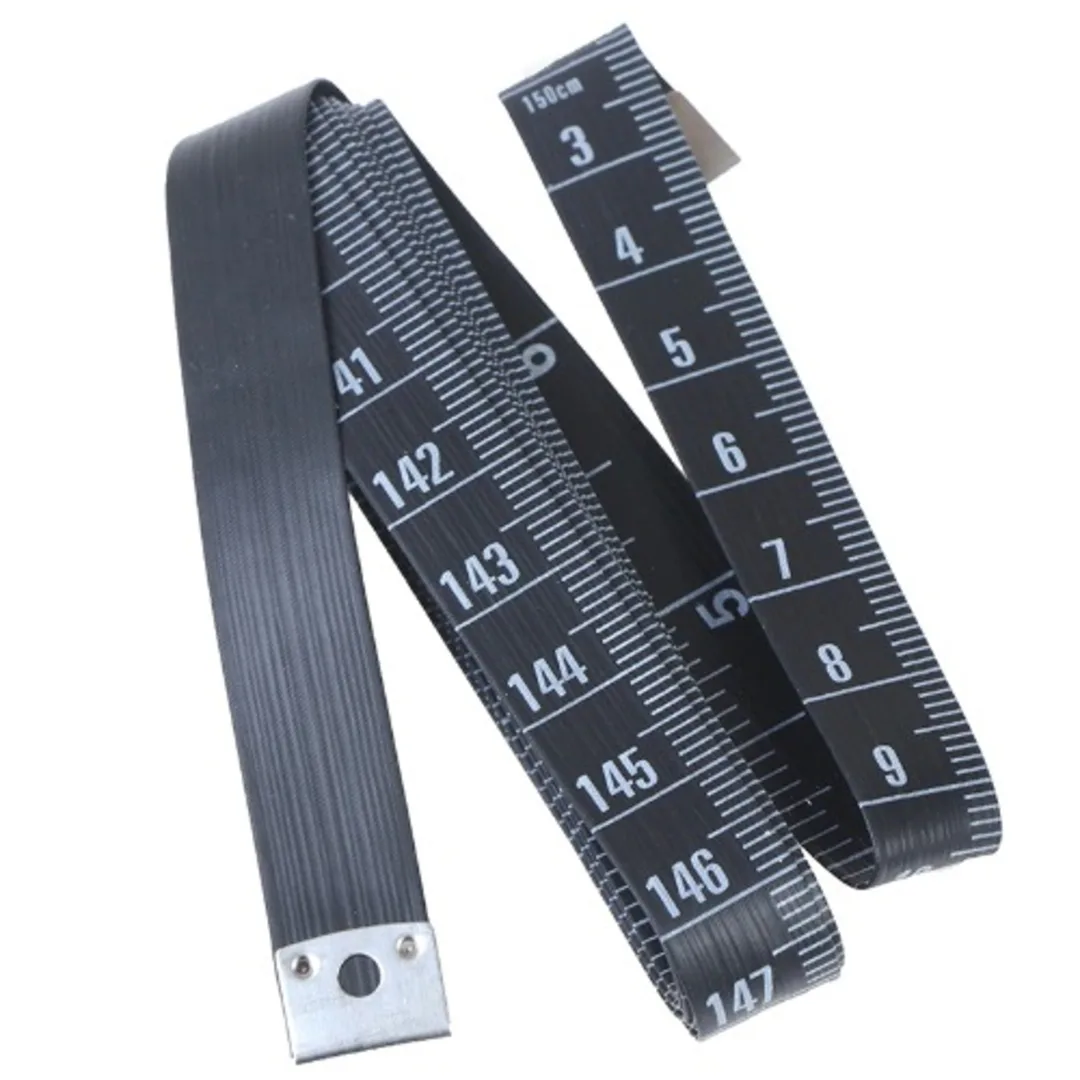
Tailor Sewing Measuring Tape 60 Inches Black
See the ProductPackaging and Structural Works
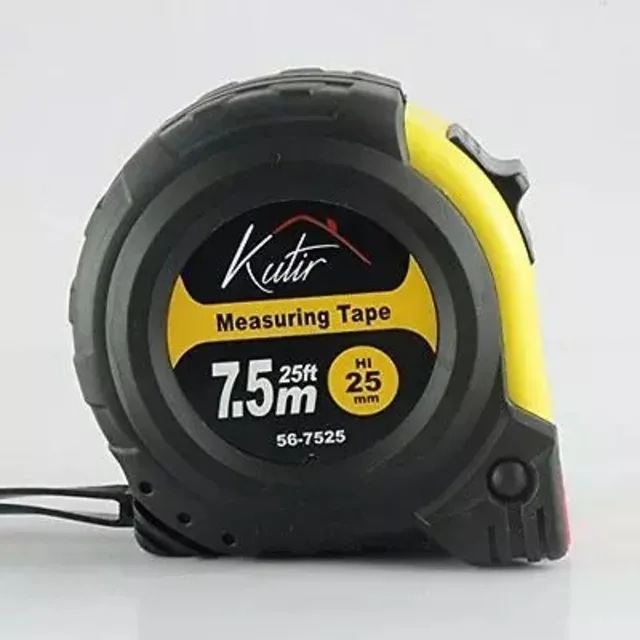
Measuring Tape 7.5m
See the Product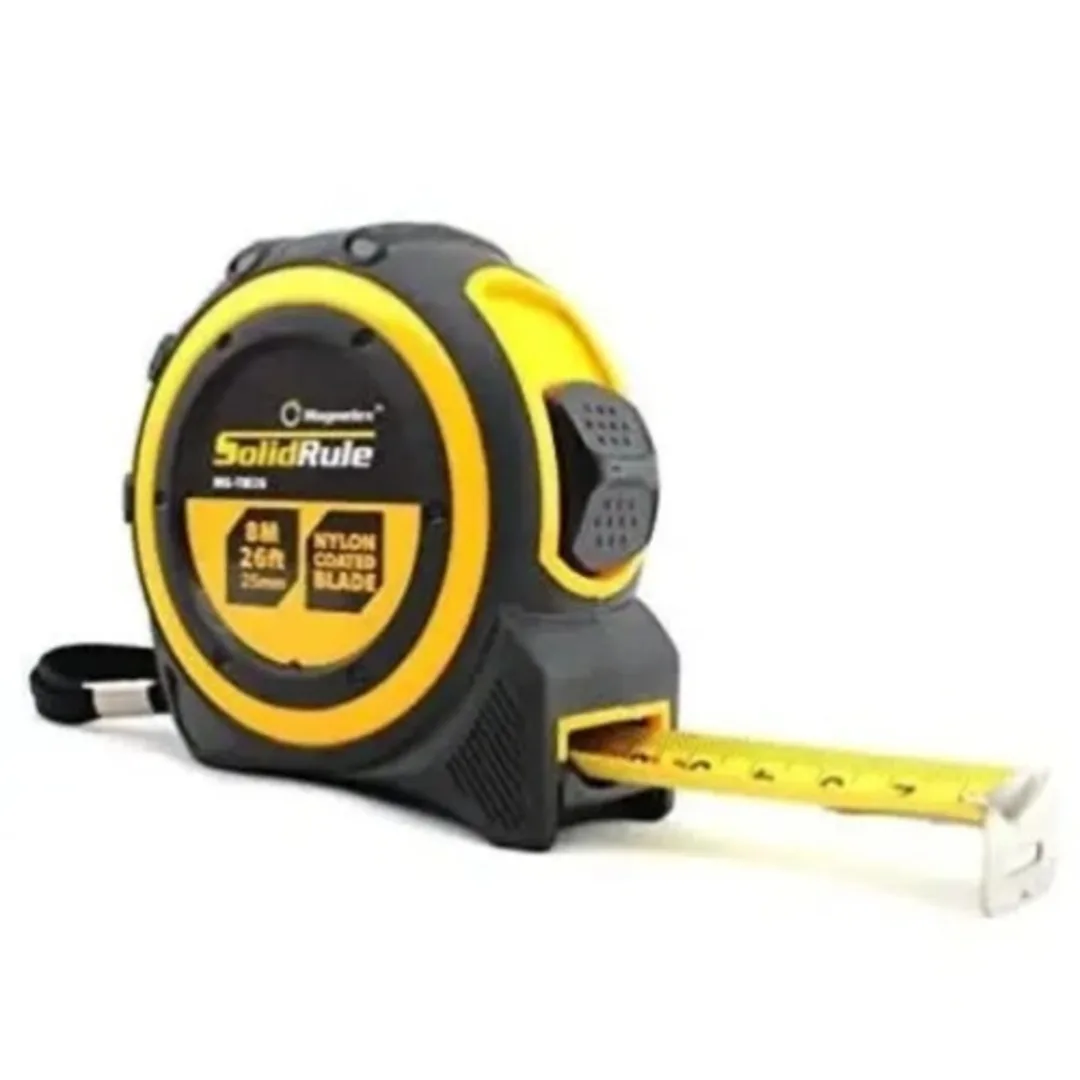
Measuring Tape 10m
See the Product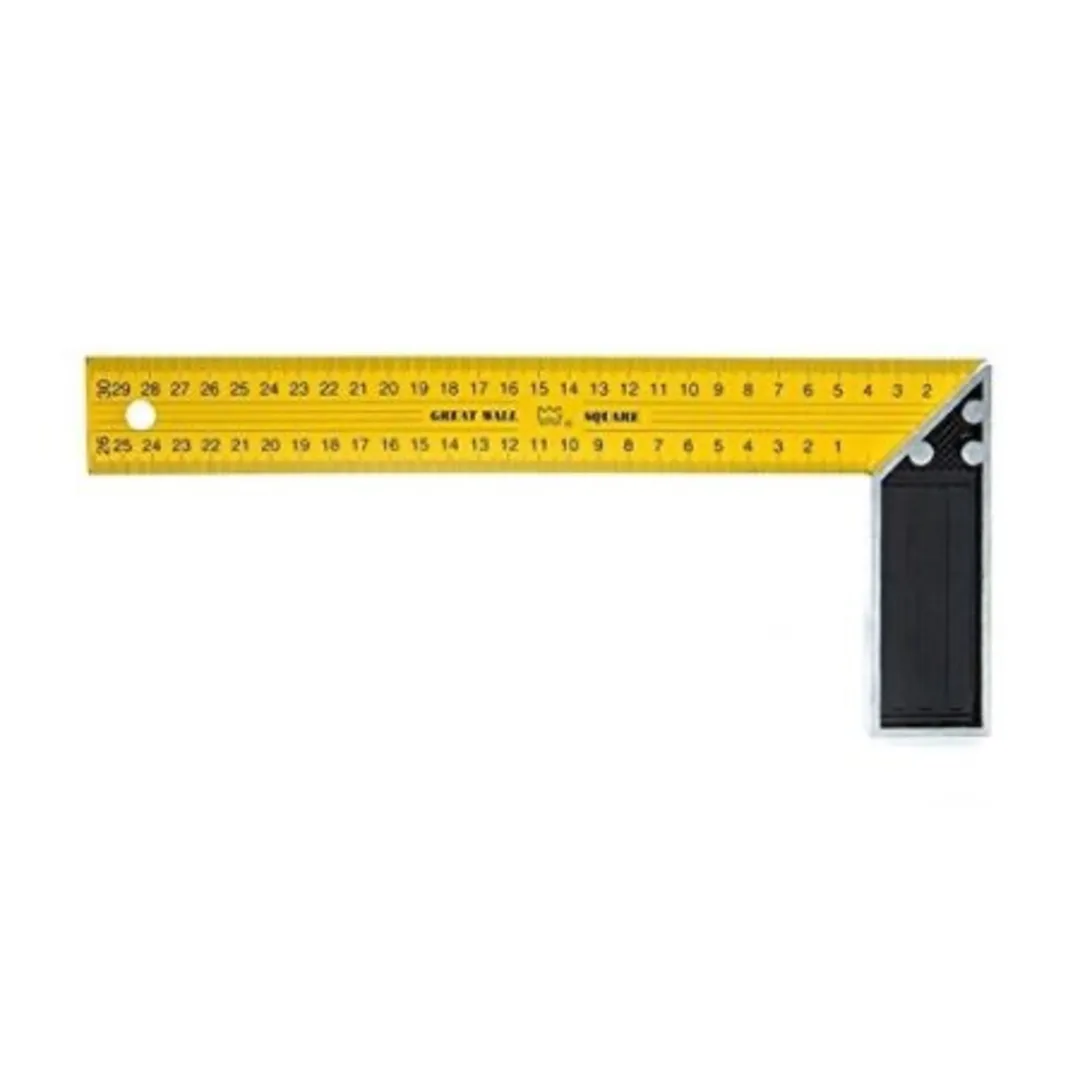
Try Square
See the Product
2 in 1 Laser Tape Measure
See the ProductLand and Farm Survey
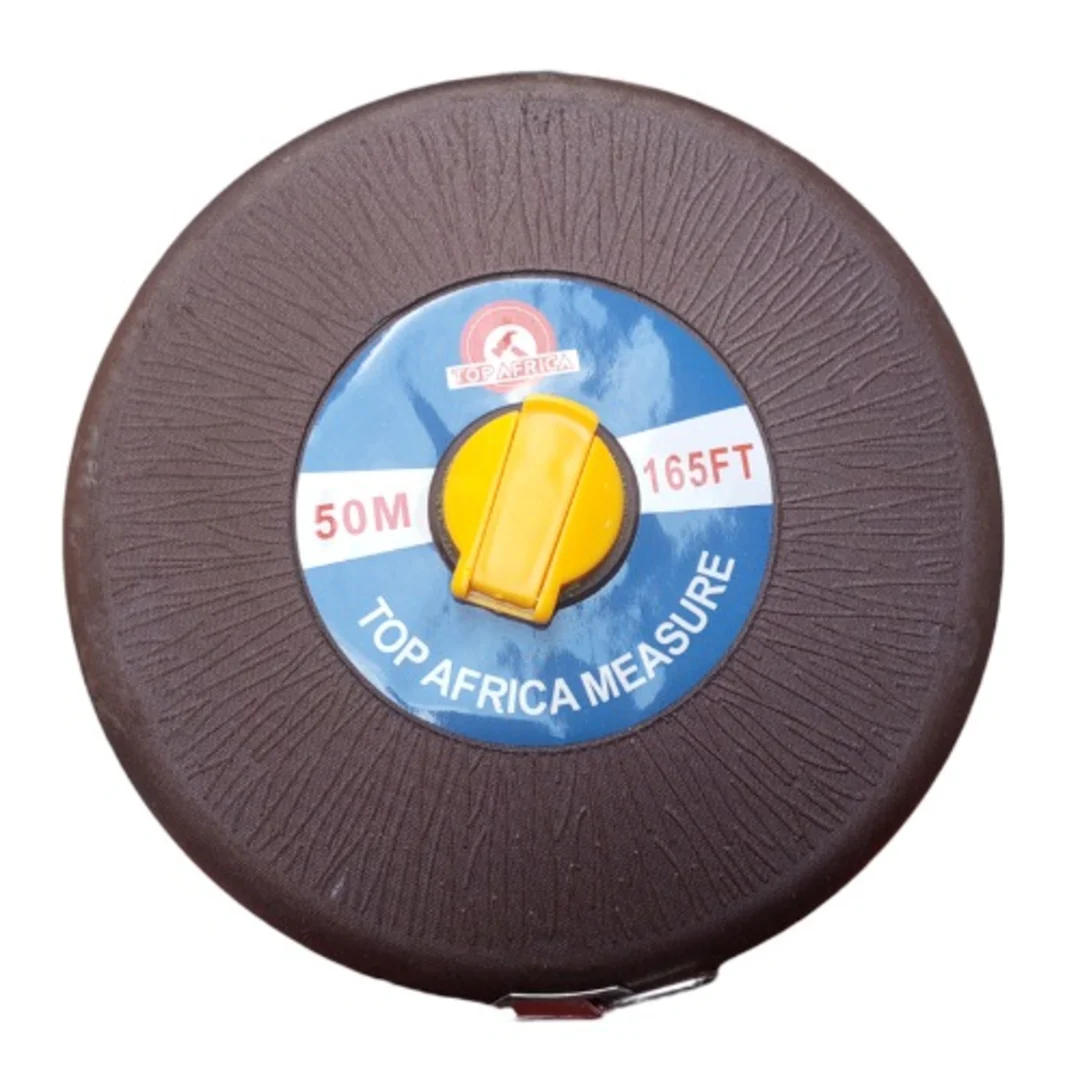
Top Africa Fiber Measuring Tape 50m/165ft
See the Product
Analog Distance Measuring Wheel Folding Roller
See the Product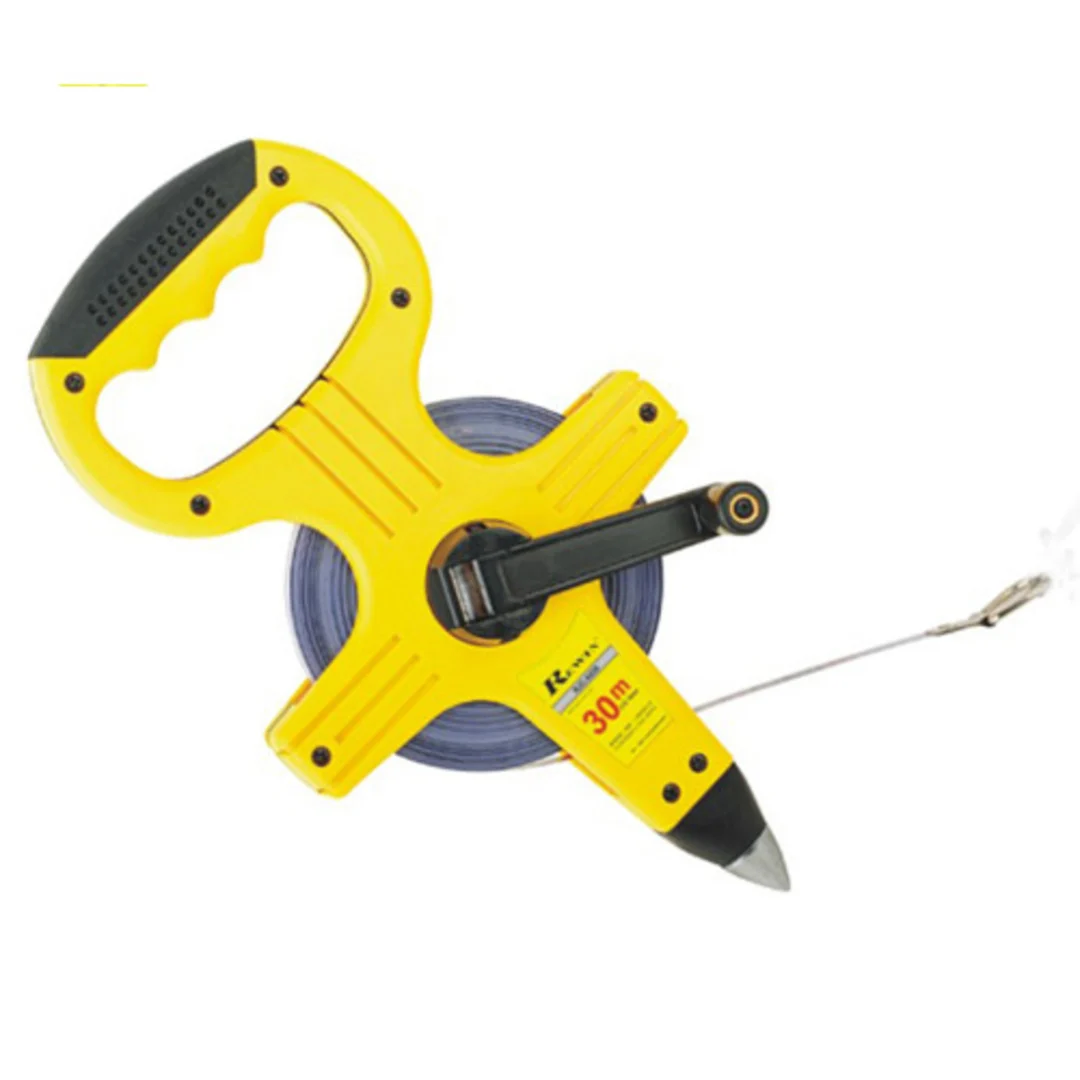
30m Fiberglass Measurement Tape
See the Product
Ingco Digital Display Distance Measuring Wheel
See the Product
Botao 100m/330ft Measuring Tape
See the ProductThe tools used to measure length are all calibrated based on a measurement system. For example, many rulers are calibrated in inches (in) on one side and centimeters (cm) on the other. Both inches and centimeters are units but from different systems. The former is from the Imperial System, while the latter is from the Metric System.
The Imperial System originated from the Romans but was formalized by the British in the 19th Century. Tap to see. Today, the system has been adopted by and adapted for the US, called The US Customary and Metric Units and Measure. In this system, we have different units for representing length:
| Unit | Equivalents |
| Angstrom (Å) | 0.0000001 mm, 0.0001 micron, or 0.1 mμ |
| Statute Mile | 8 furlongs, 320 rods, 1,760 yards, or 5,280 feet |
| Furlong | 1/8 mile, 40 rods, 220 yards, or 660 feet |
| Rod | 5 1/2 yards, 16 1/2 feet, or 25 links |
| Chain (Gunter's) | 4 rods, 22 yards, 66 feet, or 100 links |
| Link (Gunter's) | 1/100 chain or 7.92 inches |
| Foot (ft) | 1/3 yard or 12 inches |
| Hand | 4 inches |
| Inch (in) | 1/36 yard or 1/12 foot |
| Line | 1/40 inch |
| Point | 0.013837 inch (nearly 1/72 inch) |
| Mil | 1/1000 inch |
| Fathom | 6 feet or 8 spans |
| Span | 1/8 fathom or 9 inches |
| U.S. Nautical Mile (Sea/Geographical) | 1,853.248 meters or 6,080.20 feet |
| Int. Nautical Mile | 1,852 meters or 6,076.10333... feet |
The Standard Metric System, also known as the Système international d'unités (SI units), is the set of units that was adopted by the International Bureau of Weights and Measures (Bureau International des Poids et Mesures). In this system, we have the following units of representing length:
| Magniture | Unit | Relation to Meter | Note / Non-SI Equivalent |
|---|---|---|---|
| 103 | Kilometer (km) | 1,000 m | 0.6214 Statute Miles |
| 102 | Hectometer (hm) | 100 m | ~5 Chains |
| 101 | Decameter (dam) | 10 m | ~2 Rods |
| 100 | Meter (m) | 1 m | SI Base Unit (39.37 in) |
| 10-1 | Decimeter (dm) | 0.1 m | ~1 Hand (10.16 cm) |
| 10-2 | Centimeter (cm) | 0.01 m | 0.3937 Inches |
| 10-3 | Millimeter (mm) | 0.001 m | ~40 Lines (Button size) |
| 10-6 | Micrometer (μm) | 0.000001 m | 1 Micron |
| 10-9 | Nanometer (nm) | 0.000000001 m | 10 Angstroms |
Since it is impossible to represent a real large length on a paper, for example, 1km, it is only natural to use a smaller unit to represent a large one by means of scales. Scale is the ratio relationship between the representation of length on a surface to the actual length in real life.
Writing scales is simply writing a ratio between the drawing's measurement and the actual measurement usually in the same unit. That way, whenever, you have to write a scale, you would have to first simplify the scales on the same unit and then represent them in simplest form. For example, if you are representing 1km length with a 10cm length, you write the scale as 1 : 10,000. To do this:
- Convert to same units: 1 km = 100,000 cm.
- Set up the ratio: $10\text{ cm} : 100,000\text{ cm}$
- Simplify: Divide both sides by 10.
- 1 : 10,000
Perimeter is the entire length around a flat shape. Essentially, we measure the lengths of all the sides and return the summation as perimeter.
To measure the length of an object or space, you would have to place the tape measure at the start point of the object, such that the tape's zero mark is exactly at the start of the object. You can then read the point on the ruler that matches the end of the object or space.
If the length to be measured is curved, you would have to use pegs at different points of curvature and use your tape measure to join the starting peg through all the pegs at curvatures to the last peg. You then read the point of where the last peg matches the tape measure.
- Length is a mathematical quantity that represents the size of a line or distance.
- Tools for measuring length include rulers, T-squares, tapes, measuring wheels, etc.
- Length could be represented using the Imperial system or the International S.I. Metric Units. The International S.I. system is recommended.
- We use scales to make representing large lengths possible on paper.
- Perimeter is the entire length around a flat shape.
- To measure length, align the "zero" mark of the tool at the starting point and read the value at the end point. For irregular or curved spaces, use pegs at various points along the curve and run the measuring tape through each peg to capture the total distance accurately.